A Crisis of Knowing
How We Lost Our Grip on Reality—and How to Find Our Footing Again.
We live in an age of information—and a crisis of understanding. Blog posts travel faster than fact checks, and facts seldom settle arguments anymore. Many of us feel, quietly, that something essential has slipped: our ability to agree on what’s real, what matters, and what kind of people we want to be.
The deeper problem isn’t a lack of information. It’s the collapse of shared standards for knowing: what counts as evidence, how authority is earned, and how we stay honest when the world doesn’t fit our preferred story.
A Crisis of Knowing argues that beneath today’s polarization is a deeper rupture: a crisis of authority over reality. Religion often claims that authority. Modern science often replaces it. But both can harden into rigid maps that mistake themselves for the territory. When that happens, we don’t just get bad conclusions—we get distorted lives: fear loops, defensive certainty, and a moral numbness that can masquerade as “realism.”
Why this matters now: The struggle to redefine reality comes down to whose story counts as truth. Power seeks to control that narrative. We see this in the rise of parallel media ecosystems—some built around tribal loyalty, others around outrage economics—where identity becomes a substitute for evidence. In that environment, “alternate facts” thrive: claims untethered from reality, circulated for loyalty and leverage rather than truth.
This serves a political purpose. When shared standards for knowing collapse, we become more vulnerable to authoritarian propaganda, ideology, and culture-war dogma—not because people are stupid, but because the ground beneath us has softened and we begin to feel unmoored. Norms are challenged and knowledgeable experts are denigrated.
Blending cultural critique with personal experience and philosophical reflection, I invite readers into a third posture: holding truth with discipline and humility. Here, the world gets a vote. Lived experience counts—but it must be tested, contextualized, and held to consequence over time. The result is not a new doctrine, but a steadier way of seeing: scepticism without contempt, openness without becoming foolhardy, and a life that can breathe again.
Ultimately, this is a book about finding solid ground—so we can act with clarity, resist the machinery of contempt, and choose a more human future on purpose.
What You’ll Find Inside
- Why “truth” broke down into competing realities—and what that does to our inner lives and public life.
- How rigid maps (religious, scientific, ideological) can become substitutes for reality.
- A practical, human-scale posture of knowing that is grounded in being accountable, revisable, and correspondence to what is real.
- A bridge between science and spirituality, the seen and the unseen, that leaves room for mystery without calling credibility into question.
- A call to moral agency: steadiness, discernment, and what Todd Maffin calls relentless decency.
For Agents / Publishers
If you’re an agent or publisher, you can request the agent package (proposal materials and sample pages). Email: dplouffe@rogers.com
Materials available: proposal, synopsis, comparable titles, and sample writings (Introduction + Chapter 1 + select chapters in PDF)
About the Author
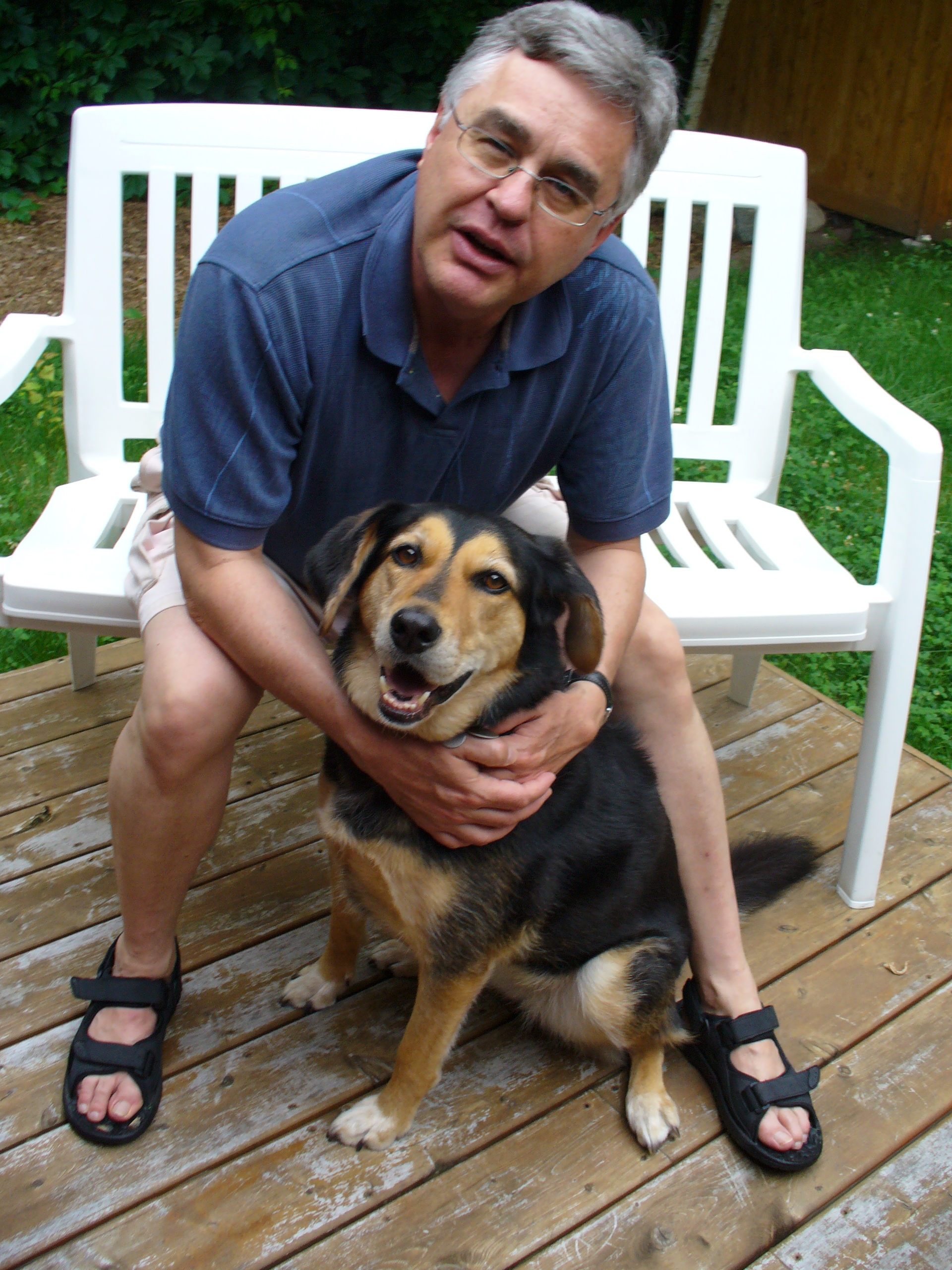
David Plouffe is a Canadian writer whose work explores truth, meaning, and moral clarity in a world crowded with uncertainty. He writes at the crossroads of philosophy, lived experience, and cultural critique, with a focus on how we rebuild shared reality without surrendering to the blind spots in our culture.
 David Plouffe